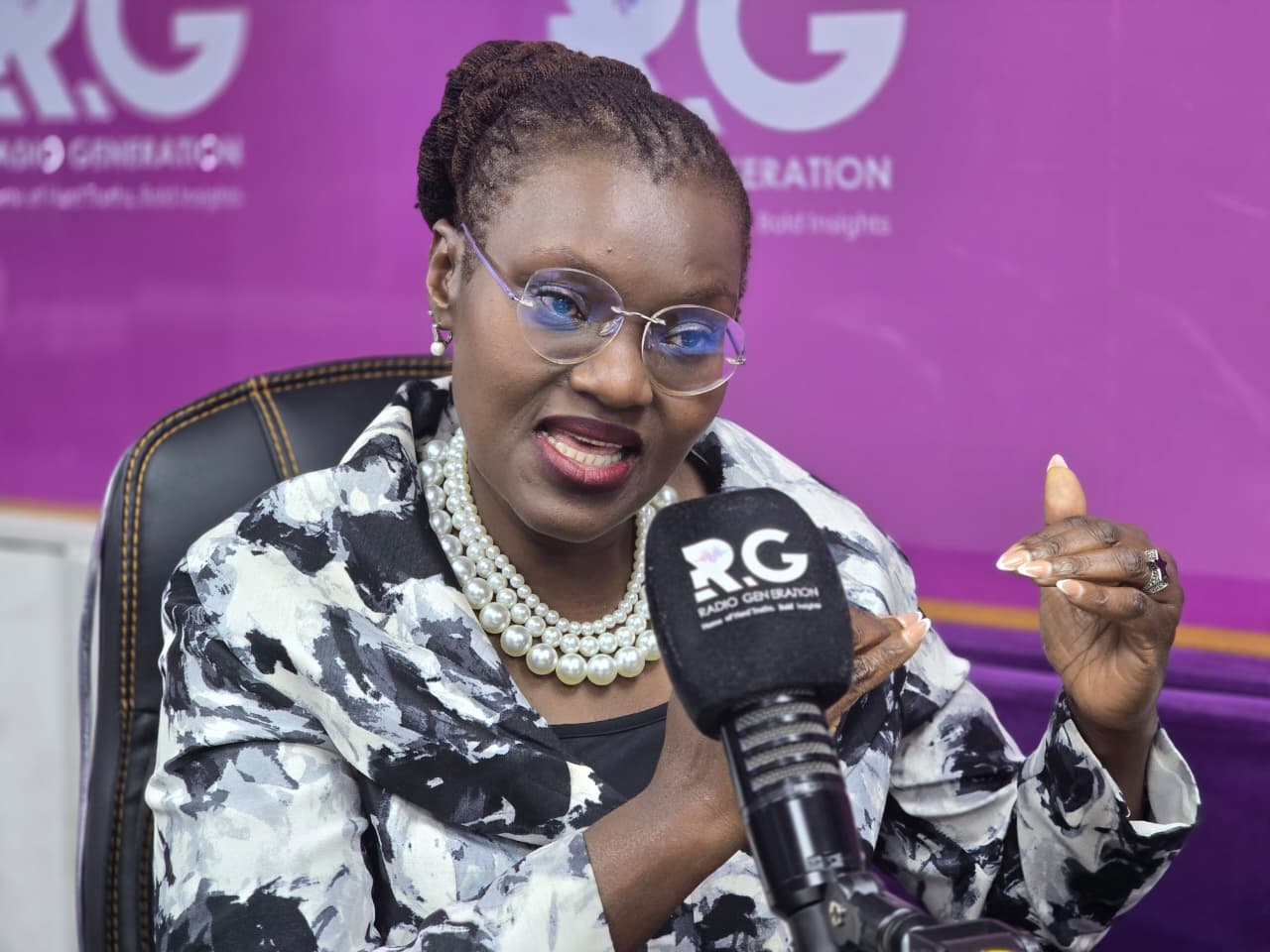
A widening gap between rising global billionaire numbers and the financial pressure faced by ordinary people is sparking concern over how wealth is distributed and managed, with a financial expert warning that many households remain stuck in survival spending despite growing opportunities.
Edith Siddindo says the increase in billionaires across major economies such as the United States and China, each with over 1,000 billionaires, stands in sharp contrast to millions of people who continue to live from one paycheck to another with little or no savings.
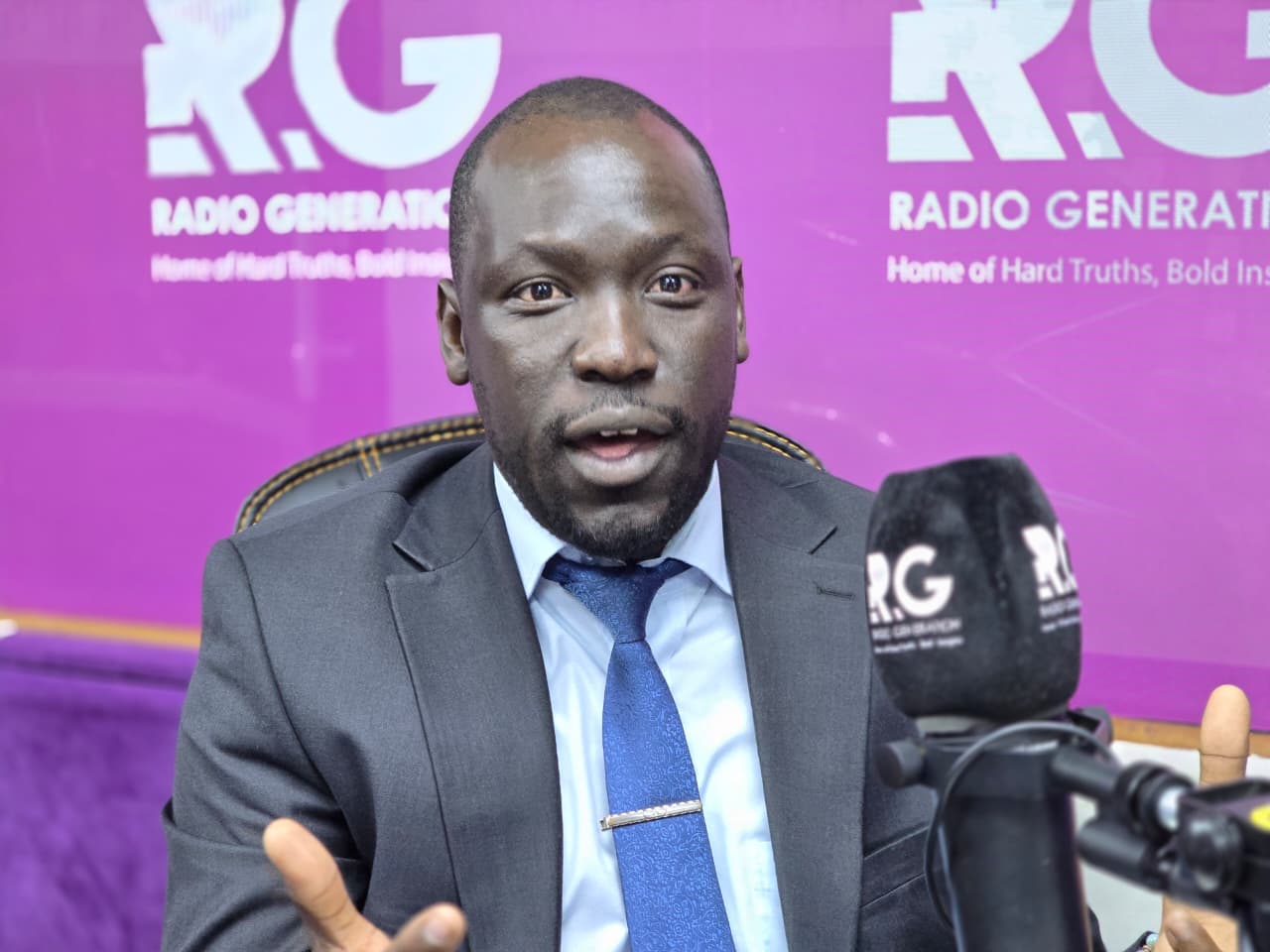
Speaking during a Radio Generation interview on Wednesday, Siddondo said the trend raises serious questions about what financial wellbeing means for ordinary people in a world where wealth continues to grow at the top while financial strain remains widespread below.
She said attention should not only be placed on extreme wealth, but on whether individuals are building stable lives that allow them to meet their needs and still remain with money after spending.
According to her, financial independence is built over time through discipline, where people learn to live within their means and ensure their income is directed toward long-term growth instead of constant consumption.
She added that regular investing helps individuals benefit from compounding returns, which can gradually build an additional stream of income and strengthen financial stability.
However, she noted that many people, especially young populations such as those in Kenya, struggle to even begin saving due to tight financial pressures. “You find you’re living hand to mouth, you are paid on Friday and broke by Monday,” she said.
Siddondo explained that this situation is often influenced by lifestyle decisions that stretch income beyond sustainable levels. “We don’t just find ourselves in a lifestyle, those bills originate from a decision you make,” she said, noting that financial strain builds when spending consistently exceeds earnings.
She broke financial management into two approaches, defensive and offensive strategies, which she said determine how people respond to money challenges.
The defensive approach focuses on cutting expenses, such as moving to cheaper housing or selling assets like a car. However, she cautioned that “it gets to a point where there is nothing you can cut anymore.”
Because of that limit, she encouraged a shift toward offensive strategies that focus on increasing income rather than only reducing costs.
She warned against relying entirely on salary income, saying individuals should avoid depending only on formal employment when it does not meet their financial needs.
At the same time, she said employees can still grow their earnings by improving their value and skills at the workplace. “I am not showing up here and saying my job description says do A, B and C, how about you be more valuable?” she said, adding that stronger skills can open up better opportunities.
Her remarks come as new findings show Africa is experiencing steady growth in wealth creation. The Africa Wealth Report 2025 shows the continent now has 25 billionaires, 348 centi-millionaires, and more than 122,000 millionaires, with projections indicating a 65 percent rise in millionaires over the next decade.
The report also points to continued economic expansion in Sub-Saharan Africa, expected to grow by 3.7 percent in 2025, ahead of several developed regions.
It further identifies cities such as Johannesburg, Cape Town, and Nairobi as key centres driving wealth growth across the continent.
Despite this expansion, Siddondo warned that higher income does not automatically translate into financial security, noting that many people increase their spending as their earnings rise.
She said this often leads professionals into debt as they try to maintain lifestyles that grow in line with their income, leaving them under constant financial pressure.
The Profit Acumen CEO said this cycle traps many high earners, leaving them “struggling financially, tied with lifestyle and living outside their limits.”
To address this, she stressed the importance of setting clear personal financial limits. “You have to define your enough, not all of us can have yachts, define your desired lifestyle and afford it comfortably,” she said.
?s=20She also pointed to mindset as a major factor shaping financial outcomes, saying many people are limited by how they were taught to understand money. “We were made to understand that education is enough, but you are not really educated on how money works,” she said.
According to her, overcoming these mindset barriers is key to unlocking financial progress and recognising available opportunities.
“There are many opportunities available for all of us. When you uncover the blockage, you can see,” she said.
Siddondo said the broader reality is a global contradiction where wealth continues to expand, yet many people remain stuck in financial pressure and unable to move from survival to stability.




















Comments
Sign in with Google to comment, reply, and like comments.
Continue with Google